
.webp)
5 Steps To Monitor Binding Corporate Rules



Monitoring Binding Corporate Rules (BCRs) effectively is essential for GDPR compliance and safeguarding personal data across multinational organizations. Here's a quick breakdown of the five critical steps to ensure your BCR framework stays compliant:
-
Set Up Governance with a Data Protection Officer (DPO)
Assign a DPO to oversee compliance, define roles at all levels, and create clear governance policies. Regularly update policies to reflect changes in data protection laws and business processes. -
Use Monitoring Tools
Leverage tools like the CNIL BCR Monitoring Tool to evaluate compliance. Deploy questionnaires and automate data collection to identify gaps and ensure consistency across entities. -
Run Regular Audits
Conduct internal and external audits to review IT systems, data transfers, vendor contracts, and training programs. Address compliance gaps with action plans and document findings. -
Establish Internal Controls and Review Schedules
Implement real-time controls and set regular review schedules for technical systems, risks, regulatory updates, and policies. Automate processes where possible to maintain efficiency. -
Track Metrics and Report Issues
Monitor key compliance metrics, such as response times to data requests, training completion rates, and incident reporting. Share findings with leadership and maintain detailed records for accountability.
Key takeaway: Strong governance, regular monitoring, and clear documentation are non-negotiable for maintaining BCR compliance. Automation and consistent reviews help identify and resolve issues before they escalate.
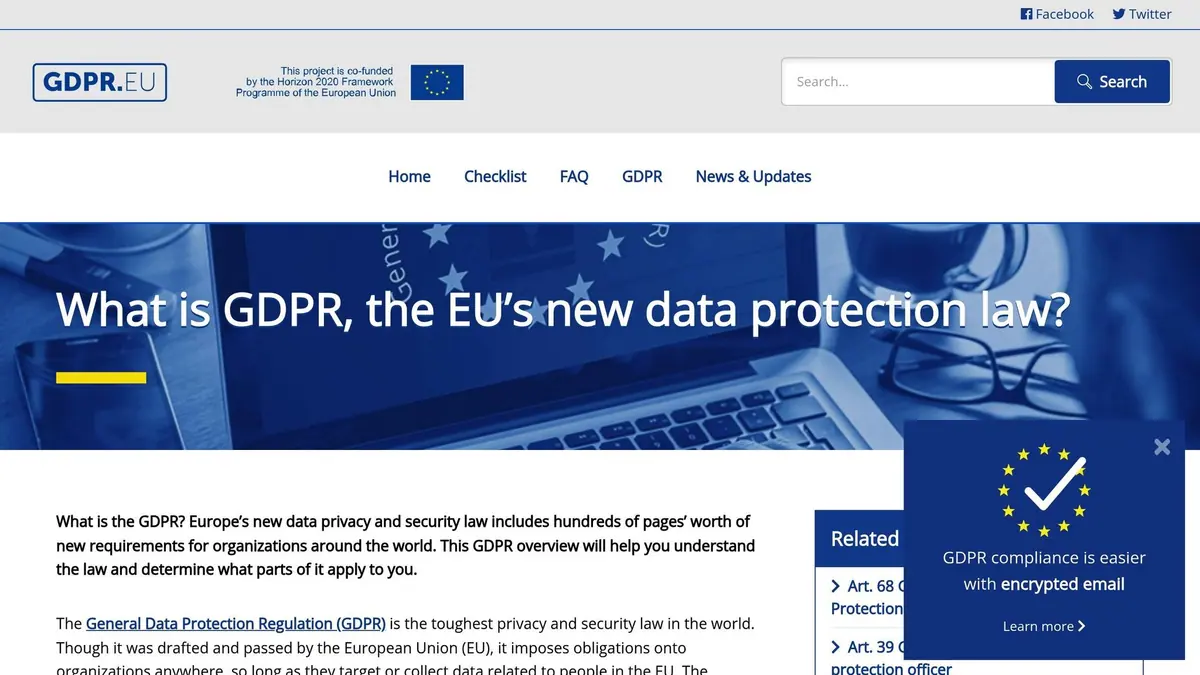
Controller Binding Corporate Rules (BCRs) for GDPR Compliance - EDPB Recommendations 12022
Step 1: Set Up a Governance Structure with a Data Protection Officer
To ensure compliance with Binding Corporate Rules (BCRs), it’s essential to appoint a Data Protection Officer (DPO). The DPO serves as the central authority overseeing data protection efforts and acts as the main contact for both regulators and data subjects. This role requires a solid understanding of GDPR and the ability to manage compliance across various jurisdictions. With a DPO in place, responsibilities can be clearly outlined and effectively managed.
The French Data Protection Authority (CNIL) has developed a three-step tool to aid in monitoring compliance: first, select which entities will be reviewed; second, have each entity complete a local questionnaire; and third, consolidate the results into a group-level assessment. This process helps update compliance documentation, identify areas for improvement, and guide audits.
Assign Roles and Responsibilities
Clearly defining roles is crucial for effective governance. At the group level, the DPO oversees compliance efforts, selects entities for monitoring, reviews local compliance reports, identifies risks, and develops strategies for improvement.
At the entity level, local compliance officers are responsible for completing questionnaires and reporting on adherence to BCRs. Management teams ensure compliance through training programs and routine audits. Internal compliance teams, spanning multiple regions, help coordinate efforts and maintain consistency in applying data protection policies.
Additional responsibilities include monitoring updates to data protection laws, tracking business plan changes, and overseeing training programs. To formalize adherence, local controllers should sign legally binding agreements to comply with the BCRs.
| Governance Role | Responsibilities | Scope |
|---|---|---|
| Group-Level DPO | Oversees BCR compliance, selects entities for monitoring, assesses governance, and plans actions | Entire multinational group |
| Local Compliance Officers | Completes local questionnaires and reports on compliance status | Individual entities |
| Internal Compliance Teams | Coordinates efforts to ensure consistent BCR application across regions | Multiple entities across regions |
| Management Teams | Implements training programs and conducts regular audits | Department or entity level |
| External Auditors | Provides independent reviews and recommends corrective actions | As determined by audit scope |
Create Governance Policies
Once roles are assigned, comprehensive policies ensure that compliance efforts stay on track. These policies should detail how BCRs meet GDPR requirements, covering areas like data security, privacy rights, and data transfer protocols.
Regular reviews of data protection laws should be integrated into compliance processes. Assign team members to monitor changes, document updates, and ensure that these are reflected in compliance practices. Schedule audits, maintain incident logs, and document all modifications to the BCRs, including dates and reasons for the changes. Staff should also be informed promptly of any updates.
Governance policies must also address how to review adjustments to business plans, operations, and processes to ensure continued compliance with data protection regulations. Accountability measures, such as internal audits, mandatory training, and maintaining detailed training records, are essential for strengthening compliance.
Additionally, these policies should outline procedures for reporting breaches to the appropriate authorities and affected individuals. They should also include steps for corrective actions. Sharing compliance reports with senior leadership ensures transparency and prepares the organization for regulatory reviews or internal audits.
Step 2: Use Monitoring Tools for Data Compliance
To ensure your Binding Corporate Rules (BCRs) are followed across all entities, it's time to implement monitoring tools. These tools not only track compliance but also provide insights into data handling practices and generate reports that highlight any gaps.
One option is the CNIL BCR Monitoring Tool, available in both English and French. This tool helps multinational organizations evaluate BCR compliance within their various entities. It offers a structured way to self-assess compliance, compare performance against GDPR standards, and document progress for regulators. By integrating such tools into your governance framework, you create a system of continuous oversight that complements the groundwork established in Step 1.
Deploy Multi-Stage Questionnaires
Questionnaires are essential for gathering detailed compliance information from different offices. The CNIL tool uses a three-stage process involving two questionnaires to provide a clear picture of your organization's BCR compliance.
- Local Entity Questionnaire: This checklist gathers data on local offices' practices, including how they handle data, implement security measures, and follow compliance protocols. Responses are submitted to the group compliance officer to ensure consistency across the organization.
- Group DPO Questionnaire: The Group Data Protection Officer (DPO) compiles the information from local entities into a broader compliance overview. This enables the DPO to update documentation, address risks, propose action plans, request audits, or refine compliance strategies.
These questionnaires often use conditional logic to adapt questions based on responses. For instance, if an entity reports handling sensitive personal data, additional questions about security measures might follow. This targeted approach quickly pinpoints areas that need further review.
Organizations can tailor these questionnaires to match their specific needs - whether conducting an annual full-scale review or focusing on high-risk areas more frequently. The key is to maintain a consistent schedule and document your findings thoroughly, which demonstrates your ongoing commitment to compliance.
Apply Data Analytics and Automation
To take compliance monitoring to the next level, consider integrating data analytics and automation. These tools provide real-time oversight and streamline the process of tracking compliance metrics.
Platforms like Reform offer features designed for compliance monitoring. With Reform, you can build multi-step forms to collect data from various departments or offices. Conditional routing ensures relevant questions are asked, while real-time analytics give instant insights into user interactions and compliance trends. This helps quickly identify areas that need attention.
Automated systems can track key compliance metrics, such as:
- Time taken to respond to data subject requests
- Number of reported security incidents
- Policy violation rates
- Percentage of staff completing required training
- Resolution rates for audit findings
These metrics not only provide measurable proof of your BCR implementation but also help you identify areas for improvement. Additionally, automated tools can maintain detailed logs of data transfers, system updates, training sessions, and security incidents. Centralized logging simplifies accountability during regulatory reviews and creates a reliable audit trail for future assessments.
Sharing compliance reports with senior leadership ensures they stay informed about your BCR framework's performance. When automated tools flag potential policy violations, addressing them promptly can prevent minor issues from escalating into major problems.
Step 3: Run Regular Compliance Audits
Regular compliance audits help ensure your organization consistently meets its obligations across all entities and jurisdictions while addressing any gaps before they escalate. This step builds on the governance and monitoring systems you’ve already established.
Audits not only help you spot weaknesses early but also show your commitment to meeting BCR obligations. They ensure your compliance efforts stay effective as operations evolve. Many organizations find a mix of quarterly or semi-annual internal audits and annual or bi-annual external audits strikes the right balance between oversight and resource management.
Internal and External Audit Processes
A well-rounded audit strategy incorporates both internal and external reviews. Internal audits are conducted by your compliance teams, Data Protection Officers (DPOs), or internal audit departments. These reviews allow you to monitor BCR implementation continuously and address issues promptly.
External audits, on the other hand, are performed by independent third-party auditors. These professionals provide an unbiased evaluation of your BCR implementation and can identify blind spots that internal teams might overlook. External audits also lend credibility to your compliance efforts, which can be reassuring to regulators and business partners alike.
The DPO plays a pivotal role in overseeing audits. They should be well-versed in GDPR requirements and prioritize audits based on risk assessments. The DPO reviews audit findings to spot patterns and systemic issues, then develops action plans to close compliance gaps. They may also request additional audits or adjust strategies to improve compliance across all group entities.
Key Audit Focus Areas
To ensure full compliance, audits must focus on areas critical to BCR adherence. Key areas to examine include:
- IT systems and data security: Review encryption methods, access controls, and incident response procedures to ensure personal data is safeguarded against unauthorized access or breaches.
- Data transfer mechanisms: Verify compliance with BCR requirements by tracing data flows, checking documentation, and confirming the legal basis for transfers.
- Vendor and third-party contracts: Ensure contracts include necessary data protection clauses and confirm that vendors are meeting these requirements.
- Security measures: Go beyond documentation by testing encryption, access controls, and incident response protocols to confirm they function effectively.
- Staff training and awareness: Assess whether employees understand their data protection responsibilities. Review training completion rates and employee awareness as key indicators.
- Data subject rights processes: Ensure individuals can easily exercise their rights, such as accessing, deleting, or transferring their data. Evaluate response times, accuracy, and compliance with regulatory deadlines.
| Audit Focus Area | What to Examine | Why It Matters |
|---|---|---|
| IT Systems & Security | Encryption, access controls, incident response | Protects data from unauthorized access and breaches |
| Data Transfers | Transfer documentation, legal basis, cross-border flows | Ensures compliance with BCR transfer requirements |
| Vendor Contracts | Data protection clauses, vendor compliance checks | Extends protection obligations to third parties |
| Staff Training | Completion rates, awareness levels | Confirms employees understand their responsibilities |
| Data Subject Rights | Response times, process accuracy, deadline compliance | Verifies individuals can exercise their rights effectively |
When audits uncover compliance gaps, document the findings clearly and categorize them by severity and risk. Develop a detailed action plan that outlines corrective steps, assigns responsibilities, and sets achievable timelines. High-risk issues, such as potential data breaches or regulatory violations, should take priority. Corrective actions might include updating policies, improving security measures, or enhancing staff training.
Thorough documentation of your audits strengthens your BCR framework and ensures accountability across all entities. Key records include data transfer logs, internal audit reports, training completion records, evidence of DPO oversight, updated BCR policies, incident reports, vendor agreements, and records of corrective actions. These records not only demonstrate the effectiveness of your BCR framework but also provide essential evidence for data protection authorities if needed.
sbb-itb-5f36581
Step 4: Create Internal Controls and Review Schedules
After identifying areas for improvement in Step 3, it’s time to establish internal controls and set up a review schedule to maintain compliance with your Binding Corporate Rules (BCRs). These measures ensure that your compliance efforts are not just a one-time exercise but an ongoing commitment woven into daily operations.
Internal controls serve as a continuous monitoring mechanism, helping you track data protection practices and address issues as they arise. Unlike audits, which are periodic and more in-depth, internal controls work in real time, catching problems before they escalate. By integrating compliance goals into performance evaluations and day-to-day activities, you can create a culture where data protection becomes second nature.
Design a Review Schedule
A well-structured review schedule is crucial for keeping compliance efforts on track. Different components of your BCR framework require attention at varying intervals, depending on their importance and potential risk.
- Technical controls: These should be reviewed monthly. Regular checks of security systems, access controls, and encryption are essential to ensure your systems remain secure and to catch any unauthorized access quickly.
- Risk evaluations: Conduct these quarterly to stay ahead of new threats and vulnerabilities. These reviews should factor in changes to your data processing activities, advancements in technology, and evolving security risks.
- Regulatory updates: Review bi-annually to ensure your BCRs align with any changes in privacy laws or standards. This helps you adapt policies to meet new legal requirements.
- Policy assessments: Perform these annually to evaluate the effectiveness of your data handling procedures and security measures. This is also a good time to incorporate insights from previous audits or incidents.
Here’s a quick summary for reference:
| Review Component | Frequency | Key Focus Areas |
|---|---|---|
| Technical Controls | Monthly | Security systems, access controls, encryption |
| Risk Evaluation | Quarterly | Threats, vulnerabilities, mitigation plans |
| Regulatory Updates | Bi-annual | Privacy law changes, compliance standards |
| Policy Assessment | Annually | Data handling procedures, security measures |
Your Data Protection Officer (DPO) should oversee this schedule, providing regular updates to senior leadership. These updates should highlight completed reviews, any issues identified, corrective actions taken, and priorities for upcoming reviews. This ensures leadership remains informed and can allocate resources effectively.
Automate Where Possible
Manual oversight can be time-consuming, but automation tools can ease the burden. Automated systems can monitor data flows, track security events in real time, and generate compliance reports. For example, tools like the CNIL's BCR Monitoring Tool use questionnaires to streamline assessments, allowing the group DPO to evaluate governance across global operations efficiently.
Keep Centralized Compliance Records
A centralized system for compliance documentation is essential for demonstrating accountability and readiness during regulatory inspections. Disorganized records can give the impression of weak oversight, even if your compliance efforts are strong.
Your documentation should include:
- Records of training completions and certifications
- Audit findings and resolutions
- Policy updates and assessments
- Risk evaluations and mitigation plans
- Technical control reviews
These records not only show that your organization actively manages compliance but also make it easier to respond to regulatory inquiries. Detailed logs should include dates, scope, findings, and corrective actions for all reviews and audits. Additionally, maintain evidence of governance structures, such as organizational charts reflecting the DPO’s role, copies of BCR policies, and training program records.
When weaknesses or gaps are identified, create action plans that outline specific corrective measures, assign responsibilities, and set timelines for resolution. Keep track of these actions to ensure issues are addressed promptly and effectively.
Monitor and Report Key Metrics
Tracking measurable compliance indicators is another critical aspect of maintaining a strong BCR framework. Metrics to monitor include:
- Response times for data subject requests
- Number of reported security incidents
- Policy violation rates
- Percentage of staff completing required training
- Resolution rates for audit findings
Regularly reviewing these metrics and sharing them with senior leadership ensures that your compliance efforts remain effective and up-to-date. A centralized system can also help you prepare comprehensive compliance reports for both internal stakeholders and regulatory authorities. Being able to produce these reports quickly demonstrates your organization’s commitment to data protection and accountability.
Step 5: Track Compliance Metrics and Report Issues
After implementing governance structures, deploying monitoring tools, conducting audits, and setting up internal controls, the next step is to make these efforts measurable. This involves defining clear metrics and creating timely reports. By doing so, you can turn internal processes into quantifiable performance measures, showcasing accountability to both regulators and stakeholders.
Tracking compliance metrics provides tangible proof that your Binding Corporate Rules (BCRs) are functioning as intended across all entities. Without measurable data, it's impossible to demonstrate compliance or pinpoint areas needing improvement. Consistent tracking ensures your BCR framework stays effective and relevant.
Identify Key Compliance Metrics
To measure BCR compliance effectively, focus on metrics that directly reflect the performance of your data protection framework. Here are several critical areas to consider:
- Response times to data subject requests: This metric highlights your ability to uphold individual rights. Track the average time it takes to respond to requests and flag any that exceed your internal deadlines.
- Security incident reporting rates: Measure how well your incident response processes work by monitoring the number of reported incidents, categorizing them by severity, and tracking resolution times. A rise in reports might indicate better detection or a stronger reporting culture.
- Policy violation rates: Analyze violations across entities to spot inconsistencies. If one subsidiary has higher rates, it may signal the need for additional training or resources.
- Employee training completion rates: Track the percentage of employees who complete mandatory training, broken down by department or entity. This metric reflects organizational awareness of data protection responsibilities.
- Audit finding resolution rates: Monitor how quickly identified issues are addressed, who is responsible for remediation, and whether actions effectively resolve the problems.
You can also consider tracking data transfer volumes under BCRs, the frequency of compliance documentation updates, and the regularity of internal assessments. For organizations new to BCR monitoring, start with these foundational metrics before expanding to more detailed indicators.
Automate Reporting Processes
Manually managing compliance reporting across multiple entities can be time-consuming and prone to errors. Automation simplifies this process, ensuring consistent data collection and timely reporting.
Automated tools can monitor data flows and security events continuously, creating detailed logs for transfers, training sessions, incidents, and policy updates. This reduces human error and ensures data consistency across all entities.
Platforms like Reform enhance this process by streamlining data collection. Using customizable questionnaires, you can systematically gather compliance data, including audit findings, incident reports, and training acknowledgments. Reform also integrates seamlessly with CRM and marketing platforms, allowing compliance data to flow directly into your existing systems through webhooks and APIs.
Set thresholds for each compliance metric to flag issues that require investigation. For example, automated alerts can notify you of spikes in response times for data subject requests or unusually high policy violation rates in a specific entity. This proactive approach helps address problems before they escalate.
When monitoring uncovers violations or non-compliance, document these issues and follow established escalation protocols. For security incidents or data breaches, promptly report to the relevant authorities and affected individuals as required by law. For other gaps, identify root causes, create a remediation plan, and share findings with the group Data Protection Officer (DPO) and senior leadership. Depending on the severity, some violations may also need to be reported to the lead supervisory authority and co-reviewing authorities that approved your BCRs.
Reporting and Documentation
Maintaining detailed compliance documentation is critical. This should include:
- Copies of BCR approval letters and amendments
- Records of internal and external audits
- Evidence of employee training programs and completion rates
- Logs of data transfers processed under BCRs
- Incident reports and breach notifications
- Records of data subject requests and responses
- Minutes from compliance review meetings
- Copies of policy updates and implementation dates
- Evidence of corrective actions taken to address gaps
This documentation serves multiple purposes: it demonstrates accountability to regulators, supports internal compliance management, and shows a commitment to maintaining BCR compliance. Organize these records for easy retrieval during compliance reviews or investigations.
Regularly share compliance reports with senior leadership. While reporting frequency may vary by jurisdiction, quarterly reviews are generally recommended, with monthly monitoring for high-risk areas like security incidents and policy violations. Highlight positive trends, such as improved response times, reduced policy violations, and high training completion rates.
Conclusion
Keeping an eye on Binding Corporate Rules (BCRs) is not a one-and-done task - it’s an ongoing process that demands steady oversight across all parts of your organization. The five steps outlined earlier work together as a cohesive system, where each piece supports the others to maintain a strong compliance framework.
Strong governance and clear accountability are the backbone of this process. By designating a Data Protection Officer and defining specific roles, your organization ensures responsibility is shared and understood. This structure is further supported by operational measures like monitoring tools, routine audits, and internal controls, creating a solid foundation for compliance.
Detailed documentation plays a key role in demonstrating compliance. Under GDPR’s accountability principle, your organization must prove - not just claim - that it adheres to BCR standards across all subsidiaries and regions.
Automation can take this framework to the next level, simplifying data collection and enabling real-time monitoring. For instance, the CNIL’s BCR Monitoring Tool shows how technology can standardize processes and reduce manual effort. Tools like Reform also streamline compliance by collecting data through customizable forms and integrating it with your existing CRM.
Consistency across all company locations is non-negotiable. BCRs demand uniform application of data protection standards, no matter where your operations are based. Poor coordination can lead to inconsistent practices, which often surface during external audits or, worse, after a data breach. The fallout from such lapses can include hefty fines and significant reputational harm.
The risks of inadequate BCR monitoring go far beyond financial penalties. Companies could face restrictions on international data transfers, lose customer trust, and experience major disruptions to their operations. Treating BCR monitoring as a strategic priority - with dedicated resources and executive backing - turns compliance into an ongoing process of improvement rather than a static checklist.
To stay ahead, assign team members to monitor changes in data protection laws across all relevant jurisdictions. Make sure updates to your BCRs are properly documented and communicated throughout your organization. Ultimately, consistent oversight, precise management, and systematic evaluation are what keep your BCR framework effective and compliant.
FAQs
What are Binding Corporate Rules (BCRs), and why are they essential for GDPR compliance?
Binding Corporate Rules (BCRs) are internal guidelines that multinational companies use to safeguard personal data when transferring it across borders within their corporate group. These rules are essential for meeting the requirements of the General Data Protection Regulation (GDPR), particularly when data is moved outside the European Economic Area (EEA).
BCRs play an important role in showing a company’s dedication to protecting personal data on a global scale. They help ensure consistent privacy practices across all branches of the organization. By adopting BCRs, companies not only strengthen trust with customers, regulators, and business partners but also reduce the risk of fines and legal complications that can arise from non-compliance.
How can automation improve the monitoring of Binding Corporate Rules (BCR) compliance in multinational organizations?
Automation plays a key role in simplifying the monitoring of BCR compliance. By automating processes, companies can cut down on manual errors, improve efficiency, and keep compliance efforts running smoothly. Automated tools can track compliance metrics, alert teams to potential issues in real time, and ensure consistent reporting across different regions.
Another advantage of automation is its ability to centralize data collection and analysis. This makes spotting trends and addressing compliance gaps much more manageable. Plus, it saves time and helps organizations maintain strong, scalable compliance practices as they expand.
What metrics should you track to evaluate the effectiveness of a Binding Corporate Rules (BCR) compliance framework?
To evaluate how well your BCR compliance framework is working, it's crucial to monitor specific metrics that reveal both its implementation success and ongoing adherence. Key areas to focus on include:
- Incident response times: Track how quickly your team identifies and addresses data protection issues. Faster response times often indicate a more efficient framework.
- Audit results: Conduct regular internal or external audits to pinpoint compliance gaps and identify areas needing improvement.
- Employee training completion rates: Keep an eye on how consistently employees complete training on BCR policies and data protection practices. High participation rates reflect stronger awareness and commitment.
Keeping tabs on these metrics not only ensures your framework stays effective and meets regulatory standards but also promotes a workplace culture centered on accountability and compliance.
Related Blog Posts
Get new content delivered straight to your inbox

The Response
Updates on the Reform platform, insights on optimizing conversion rates, and tips to craft forms that convert.




Drive real results with form optimizations
Tested across hundreds of experiments, our strategies deliver a 215% lift in qualified leads for B2B and SaaS companies.
