
.webp)
How GDPR Impacts Form Design in 2025



- Consent must be explicit: No more pre-checked boxes or vague statements. Each purpose (e.g., marketing, profiling) requires its own opt-in checkbox.
- Collect only what’s necessary: Forms should request only essential data for the task at hand. For example, no phone numbers for newsletter signups.
- Transparency is key: Clearly explain why data is being collected, how it will be used, and how long it will be stored. Privacy policies need to be accessible and easy to understand.
- Privacy by design: Forms must default to privacy-protective settings, with user-friendly options to manage preferences or withdraw consent.
- Record everything: Businesses must document consent details, data storage, and processing activities to demonstrate compliance during audits.
By 2025, outdated practices - like excessive data collection or hidden consent mechanisms - are not only non-compliant but also risk losing user trust and harming conversions. Modern tools, like Reform, help businesses stay compliant with features such as GDPR-friendly consent fields, data minimization options, and real-time validation.
Why it matters:
Non-compliance can lead to fines, reputational harm, and lost business opportunities. Updating your forms to align with GDPR standards is not just about avoiding penalties - it’s about building trust and improving user experience.
Read on for a detailed breakdown of how GDPR enforcement has evolved and what steps you can take to meet these 2025 standards.
Getting started with GDPR compliance: Consent
How GDPR Form Requirements Have Changed Over Time
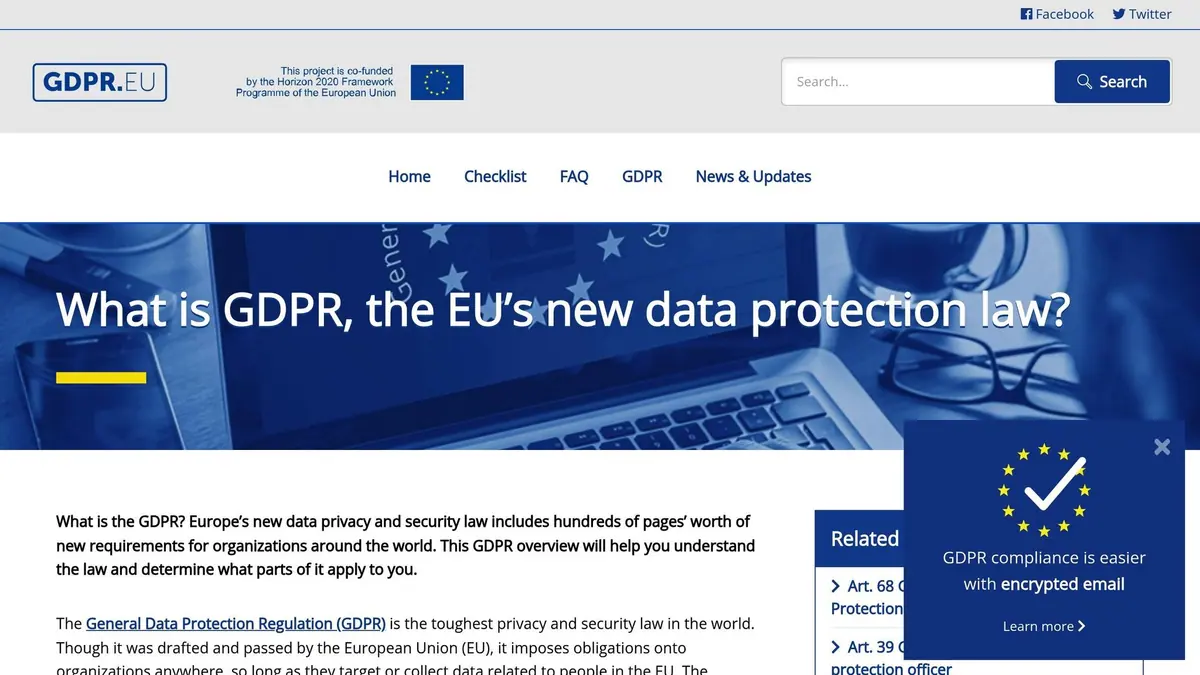
The General Data Protection Regulation (GDPR) officially came into effect on May 25, 2018, introducing key principles that transformed how organizations collect and handle data through forms. These principles - like lawfulness, fairness, transparency, purpose limitation, data minimization, and accountability - set the foundation for compliance. While the core guidelines remain unchanged, the way they’re interpreted and enforced has evolved significantly, pushing businesses to rethink and refine their approach to form design over the years.
The Early Years: 2018–2019
In the initial phase of GDPR enforcement, most organizations focused on meeting the basics. The immediate priority was addressing glaring issues, such as removing pre-checked consent boxes and replacing them with opt-in checkboxes for marketing purposes. Many businesses relied on generic consent statements and updated their privacy policy links, often placing them near the submit button for easy access.
During this period, regulators concentrated on the fundamentals: ensuring consent was valid, confirming privacy notices were accessible, and requiring separate consent options for different data processing purposes. The compliance bar was relatively low - if your form included an unchecked consent box and a visible privacy policy link, you were likely meeting expectations.
The Dark Pattern Crackdown: 2020–2022
By 2020, regulators began targeting deceptive design tactics, often referred to as "dark patterns." These are interface tricks that subtly push users into sharing more data or agreeing to broader terms than they might otherwise choose. Cookie banners became a major focus, but the scrutiny extended to all types of data collection forms.
Common violations included making the "Accept All" button more noticeable than the "Decline" option, using ambiguous toggle switches, bundling multiple consent purposes into one checkbox, and creating unnecessarily complicated opt-out processes that required several steps. Companies that had treated GDPR compliance as a one-time update found themselves under investigation and, in some cases, fined for failing to meet these higher standards.
This period also saw the impact of the Schrems II decision, which nullified the EU-U.S. Privacy Shield framework for international data transfers. Forms that sent submission data to U.S.-based servers without sufficient safeguards became a compliance risk, prompting organizations to audit where and how their form data was stored and processed.
Privacy by Design Becomes Mandatory: 2023–2025
By 2025, the concept of "privacy by design and by default", outlined in Article 25 of GDPR, has moved from being a guiding principle to an enforceable standard. Regulators now expect forms to collect only the data that is absolutely necessary by default, with any additional data collection requiring clear, informed opt-in consent.
This shift means that every field in a form must serve a specific purpose. Collecting unnecessary details - like phone numbers or birth dates for something as simple as a newsletter signup - is no longer acceptable. Organizations are also required to document the purpose of each field and the lawful basis for collecting that data, making accountability a key element of compliance.
Furthermore, modern standards demand that withdrawing consent must be as straightforward as giving it. Forms must clearly communicate how long data will be stored, whether it will be shared with third parties, and how users can exercise their rights to access, correct, or delete their data. Importantly, this information must be presented at or near the point of collection, not buried in lengthy privacy policies.
From Add-On to Embedded Compliance
By 2025, compliance is no longer an afterthought - it’s built into the design process. Many form builders and no-code tools now include GDPR-friendly features by default, such as consent logging, data minimization settings, EU-based data hosting, configurable retention periods, and tools for managing user rights.
This shift reflects a broader change in how organizations view compliance. Forms are no longer seen as standalone elements of a user interface. Instead, they’re recognized as the starting point of a larger data lifecycle that covers collection, storage, access, deletion, and even cross-border transfers.
The journey from 2018 to 2025 highlights a clear trend: regulators have steadily raised the bar for transparency, user control, and accountability. What began as a focus on basic consent mechanics has evolved into a comprehensive framework that influences every part of form design, from the fields included to the backend systems managing the data. This progression underscores how deeply integrated data protection has become in modern form design.
1. Pre-2025 GDPR Form Practices
Examining how GDPR requirements were handled before 2025 reveals the hurdles organizations faced in aligning their form designs with the regulation's principles. While GDPR's foundational rules were established in May 2018, many struggled to translate those into practical, user-friendly forms. This period highlights the evolution of key concepts like consent, data minimization, and privacy integration.
Consent Models
Before 2025, consent mechanisms in forms often missed the mark. Many forms bundled multiple processing purposes together, using vague language or pre-ticked checkboxes - practices that directly conflicted with GDPR's requirement for clear and specific consent. For example, a single consent request might cover newsletter subscriptions, marketing outreach, and data sharing with third parties. This lack of specificity undermined the principle that consent must be freely given and informed.
The language used in these forms also tended to be unclear. Instead of explicitly stating what data was being collected and why, organizations relied on generic statements that failed to meet GDPR’s informed consent standards. Regulatory penalties, including hefty fines, eventually pushed many businesses to eliminate pre-ticked checkboxes and adopt clearer practices.
Another issue was the misuse of consent as a lawful basis for data processing. For instance, employment applications often requested consent to process personal data, even when the processing was necessary to fulfill a contract. This created confusion when users tried to withdraw consent for data essential to the service. These early mistakes in managing consent had ripple effects on data minimization and the enforcement of user rights.
Data Minimization
The principle of data minimization requires collecting only the information necessary for a specific purpose. Yet, pre-2025 forms frequently included excessive fields - like requesting a user’s phone number or job title for transactions that didn’t require them.
A notable example came in 2021 when a large European bank overhauled its online loan application form. A regulatory review found the form collected unnecessary personal data during initial credit checks. The bank reduced the number of fields by 40%, mapping each remaining field to a specific purpose and updating its privacy notice to explain the legal basis for each data point. This not only improved user trust but also reduced form abandonment by 18% within six months.
Despite such efforts, many organizations justified excessive data collection by citing "future use cases." A 2023 survey revealed that 62% of businesses admitted to collecting more data than necessary, primarily to prepare for anticipated needs. Progressive profiling - gathering data gradually over multiple interactions - was underused. Instead, forms often sought to capture extensive information upfront, violating data minimization principles and frustrating users, which led to higher abandonment rates.
User Rights and Dark Patterns
Pre-2025 forms often failed to guide users on exercising their GDPR rights. Many forms relied on design choices that nudged users toward giving consent, such as prominently displaying "Accept All" buttons while making opt-out options harder to find. Ambiguous interface elements further complicated user decisions. Additionally, organizations often neglected to maintain detailed records of when and how consent was obtained, making it difficult to demonstrate compliance when users exercised their rights.
Some companies even tied access to free services to extensive data processing agreements. Regulatory scrutiny forced many to revise their practices, offering genuinely free options without requiring consent and separating marketing permissions from account creation.
Privacy by Design
Article 25 of the GDPR emphasizes Privacy by Design and by Default, meaning privacy considerations should be built into systems from the start. However, before 2025, these principles were often an afterthought. Privacy features were typically integrated post-deployment, resulting in lengthy disclosures and complex legal language that detracted from a smooth user experience.
Default settings in forms generally favored maximum data collection, leaving users to adjust settings manually to enhance their privacy. Additionally, many form-building tools lacked features for managing granular consent, automating data minimization, or integrating clear privacy notices. This forced organizations to create custom solutions for managing consent records and data requests. Forms also frequently failed to disclose details about international data transfers, leaving users unaware of where their data might be processed - a significant gap in informed decision-making.
These early practices reflected a focus on efficient data collection over a privacy-first mindset. While technically compliant on paper, many systems fell short of embracing GDPR’s intent to prioritize user privacy. This period laid the groundwork for the more integrated and compliant approaches that emerged in 2025.
sbb-itb-5f36581
2. 2025 GDPR Form Practices
By 2025, GDPR form practices have evolved significantly. Organizations no longer see compliance as just a box to check but as a core design principle. This change reflects a deeper understanding of privacy requirements and user expectations, shifting form design from reactive adjustments to proactive strategies.
Consent Models
Consent mechanisms now follow strict rules that eliminate ambiguity. Every consent request must be specific, informed, and require clear affirmative action. Gone are the days of pre-checked boxes and vague blanket statements. Instead, forms now use clearly labeled checkbox fields. For example, instead of saying, "I agree to receive communications", a form might specify, "I agree to receive weekly product updates via email." Each purpose for data processing has its own checkbox, giving users the option to, for instance, subscribe to newsletters while opting out of other communications.
Before collecting any data, organizations must determine the lawful basis for processing. For example, collecting email addresses for a newsletter requires explicit consent, while processing employee data for payroll might rely on contractual obligations. Additionally, organizations are required to document consent details thoroughly, ensuring a clear record of user permissions.
These refined consent practices create a reliable framework for streamlined data collection while safeguarding user rights.
Data Minimization
Data minimization has shifted from being a theoretical concept to a practical necessity. Forms now only collect the data absolutely required for a specific, legitimate purpose. This starts with auditing each form field to determine if the information requested is essential for completing a transaction or registration. Many organizations have discovered that their forms remain functional even after removing non-critical fields.
To further enhance privacy, progressive profiling is now widely used. This method collects only core details - like an email address - at the start and gathers additional information incrementally over time. Not only does this respect user privacy, but it also simplifies the user experience.
User Rights and Dark Patterns
Modern forms are designed to empower users to exercise their rights. Practices that once nudged users toward giving consent - such as prominently displaying "Accept All" buttons while hiding opt-out options - are now classified as dark patterns and actively avoided. Instead, users are offered granular controls and straightforward settings that prioritize privacy by default. Forms also clearly inform users about their rights to withdraw consent, access their data, request corrections, or have their data erased. Contact details for data protection inquiries are integrated directly into the forms, making it easier for users to take action.
Organizations have also implemented standardized workflows to manage data subject requests efficiently. These workflows cover identity verification, locating relevant data across systems, processing requests, and promptly notifying users of the outcomes.
Such practices align seamlessly with the broader Privacy by Design approach embraced in 2025.
Privacy by Design
Privacy by Design and Default are now embedded in every stage of form development. "By design" means privacy considerations are integrated from the beginning, while "by default" ensures the most privacy-friendly settings are pre-selected without requiring extra effort from users. This shift represents a move from reactive compliance to proactive privacy protection, with development teams receiving regular training on data protection principles.
Key features of this approach include real-time validation and feedback, which allow users to correct errors immediately, and mobile-optimized designs that ensure a smooth experience across devices. Accessibility is also a priority, with forms adhering to WCAG guidelines to make them usable for as many people as possible. Privacy policies, written in plain language, are directly linked within forms so users can easily understand how and why their data is collected.
Advanced security measures like encryption are now standard to protect data during transmission and storage. For forms involving international data transfers, organizations clearly explain the process and legal safeguards in place, while maintaining detailed records to comply with cross-border regulations. Comprehensive documentation - covering data controllers, processing purposes, security measures, and data retention details - ensures transparency throughout the data lifecycle.
Modern form builders, such as Reform (https://reform.app), showcase this integration. Their no-code, user-friendly platforms simplify compliance while delivering a better experience for users.
Advantages and Disadvantages
When comparing pre-2025 GDPR practices with the 2025 updates, it's clear that both approaches come with their own set of trade-offs. While the newer practices offer stronger legal safeguards and foster greater user trust, they also require a significant upfront investment and ongoing effort to maintain. Let’s break down the key pros and cons of each.
By embedding privacy principles into the design process, organizations not only reduce legal risks but also build trust with users, which can lead to higher conversion rates. Instead of making reactive tweaks to meet compliance, the 2025 approach emphasizes proactive privacy measures. For example, using data minimization techniques and obtaining explicit consent allows organizations to demonstrate accountability through detailed records, such as processing logs and breach registers. This proactive stance also strengthens their position during regulatory audits.
That said, the 2025 framework isn’t without its challenges. Implementing these practices requires a substantial investment in both technical infrastructure and procedural frameworks. For instance, setting up systems to manage data subject rights or comply with international data transfer rules can be resource-intensive. Development teams need ongoing training in data protection principles, and product managers must juggle compliance requirements with user experience goals. This learning curve can slow down product development in the early stages.
Cost is another hurdle. Implementing features like encryption, access controls, and monitoring systems demands careful budget planning. Conducting Data Protection Impact Assessments (DPIAs) and maintaining comprehensive records of all data processing activities add to the financial burden. For smaller businesses, these expenses can feel particularly overwhelming compared to the simpler pre-2025 approach, which often involved little more than linking to a generic privacy policy.
The constraints of data minimization can also frustrate marketing and product teams. Collecting only the essential data means there’s less information available for personalization and targeted campaigns. While progressive profiling - collecting data in stages - aligns with 2025 practices, it requires more advanced form logic and multi-step workflows. Teams accustomed to building detailed user profiles must adapt to a more cautious and measured approach to data collection.
| Aspect | Pre‑2025 Advantages | Pre‑2025 Disadvantages | 2025 Advantages | 2025 Disadvantages |
|---|---|---|---|---|
| Implementation | Quick setup; minimal technical needs | High regulatory risk; potential fines | Lower long-term risk; better privacy protection | Complex setup; significant technical effort |
| Data Collection | Detailed profiles; better targeting | Legal risks; high storage costs | Reduced breach risk; lower storage costs | Limited data initially; needs progressive profiling |
| Consent | Simple blanket opt-ins; faster forms | Legally risky; erodes trust | Transparent and defensible practices | More complex; longer form completion times |
| User Experience | Shorter forms; less friction | Ambiguous privacy practices | Clearer communication; better controls | Higher initial abandonment rates |
| Compliance | Minimal documentation | Audit failures; hefty penalties | Accountability; audit readiness | Ongoing admin work |
| Accessibility | Lower development costs | Excludes some users | Broader inclusivity; legal compliance | Requires extra testing and expertise |
| Mobile Design | Easier desktop focus | Poor mobile experience | Improved mobile conversions | High implementation effort |
| Data Subject Rights | Ad-hoc handling | Slow, inconsistent responses | Faster, standardized processes | Complex procedural setup |
Despite the challenges, organizations adopting 2025 practices can achieve significant benefits. Features like real-time validation and feedback mechanisms, though complex to implement, help users correct errors immediately, leading to higher success rates for forms. Similarly, designing forms with mobile users in mind demands upfront effort but results in better mobile conversion rates.
Documentation requirements illustrate another trade-off. Maintaining detailed records of data processing activities increases administrative overhead but ensures accountability during audits and speeds up responses to user requests. For organizations managing international data transfers, the complexity is even higher. They must conduct thorough assessments, implement safeguards like Standard Contractual Clauses, and continuously monitor compliance. While resource-intensive, these measures ensure consistent privacy standards across borders, protecting both users and businesses.
Modern form-building tools, such as Reform, aim to ease these burdens by integrating compliance features into every stage of the design process. These platforms offer tools for capturing consent, providing real-time validation, and ensuring mobile-friendly, accessible designs. By streamlining both initial development and ongoing maintenance, they allow organizations to meet GDPR requirements without sacrificing form performance.
Ultimately, the shift to 2025 practices marks a significant change in how organizations approach data collection. While the initial implementation effort is substantial, the long-term advantages - reduced regulatory risk, stronger user trust, and a competitive edge through privacy commitment - make it a worthwhile investment for most businesses. Viewing compliance as a strategic move rather than a burden helps ensure sustainable operations in an increasingly regulated world.
Conclusion
The move toward 2025 GDPR-compliant form practices marks a major shift in how businesses handle data collection. Privacy can no longer be an afterthought or a simple box-ticking exercise. Instead, organizations must weave data protection into every step of their form design process - from initial planning to ongoing updates. This approach isn't just about avoiding fines; it's about creating sustainable systems that align with stricter regulatory scrutiny on consent mechanisms, data minimization, and documentation.
The message is straightforward: privacy by design and by default should be the cornerstone of your form strategy. This means collecting only the data you truly need, securing clear and specific consent, and setting privacy-protective options as the default. Companies that rely on outdated practices - like vague privacy notices, blanket opt-ins, or unnecessary data fields - risk not only regulatory penalties but also a loss of user trust.
To meet these evolving standards, action is essential. Start by auditing your forms to ensure every data field aligns with a lawful basis for processing. Eliminate non-essential fields and redesign consent flows to include clear, purpose-specific checkboxes. Make withdrawing consent as simple as granting it - whether through account settings, email links, or dedicated forms. Additionally, maintain detailed records of your data processing activities, conduct Data Protection Impact Assessments (DPIAs), and log consent to demonstrate compliance. These measures will provide a solid defense if your practices are ever audited.
Regular training is also a must. Teams across marketing, product, and design need ongoing education on GDPR principles like data minimization, consent requirements, and avoiding misleading design choices. When UX decisions impact compliance, everyone involved needs to be informed and aligned.
Modern form-building tools can make this process much smoother. Platforms like Reform come equipped with features to simplify compliance, such as granular consent options, real-time validation, spam prevention, and seamless integrations with CRM and marketing systems. They also offer tools for progressive profiling, mobile-friendly design, and automated documentation, allowing businesses to meet GDPR standards without sacrificing user experience or conversion rates.
This shift from basic compliance to embedding privacy into design reflects the broader theme of this discussion. The question isn't whether to adopt 2025 GDPR form practices - it’s how quickly and effectively you can implement them. By doing so, you’ll not only ensure compliance but also build stronger user trust and long-term operational stability in an increasingly regulated digital world.
FAQs
What steps can businesses take to design GDPR-compliant forms in 2025?
To create forms that comply with GDPR regulations in 2025, businesses need to prioritize clarity and user empowerment. Start by making sure your data collection practices are easy to understand. Clearly explain what data you're collecting, why you're collecting it, and how it will be used. Always obtain explicit consent for any data processing activities and give users straightforward options to access, modify, or delete their information.
Incorporating features like privacy notices and consent checkboxes is a must. Tools such as Reform can make this process smoother by providing customizable consent fields, real-time data validation, and effective spam prevention. To stay compliant, regularly review and update your forms to reflect any adjustments in GDPR regulations. Conducting periodic compliance audits is another crucial step to ensure you're following the latest best practices.
What are some common GDPR mistakes in form design, and how can businesses avoid them?
One frequent misstep is not clearly explaining to users how their data will be used, which can result in non-compliance. Another common error is gathering more information than necessary, violating the data minimization principle outlined in GDPR. On top of that, many forms fail to include explicit consent options, a key requirement for lawful data collection.
To steer clear of these issues, focus on creating forms that are both transparent and easy to use. Make sure to include clear privacy notices, limit data collection to only what’s absolutely necessary, and provide explicit opt-in checkboxes for consent. Tools with features like customizable privacy notices and real-time validation can help you stay compliant without compromising the user experience.
Why is 'privacy by design and default' essential for modern form design, and how can it be applied effectively?
Incorporating 'privacy by design and default' into form creation means safeguarding user data right from the start. This principle not only aligns with GDPR regulations but also fosters trust with users and minimizes compliance risks.
To put this into practice, focus on a few key steps:
- Limit Data Collection: Only ask for information that is absolutely necessary.
- Secure Data: Use encryption to protect any data you collect.
- Transparent Privacy Notices: Provide clear and straightforward explanations of how user data will be used.
- Empower Users: Allow users to opt out, edit, or delete their personal information easily.
These measures ensure your forms are not only user-friendly but also respectful of privacy, striking a balance between functionality and compliance.
Related Blog Posts
Get new content delivered straight to your inbox

The Response
Updates on the Reform platform, insights on optimizing conversion rates, and tips to craft forms that convert.



Drive real results with form optimizations
Tested across hundreds of experiments, our strategies deliver a 215% lift in qualified leads for B2B and SaaS companies.
