
.webp)
How to Track Consent History for Compliance


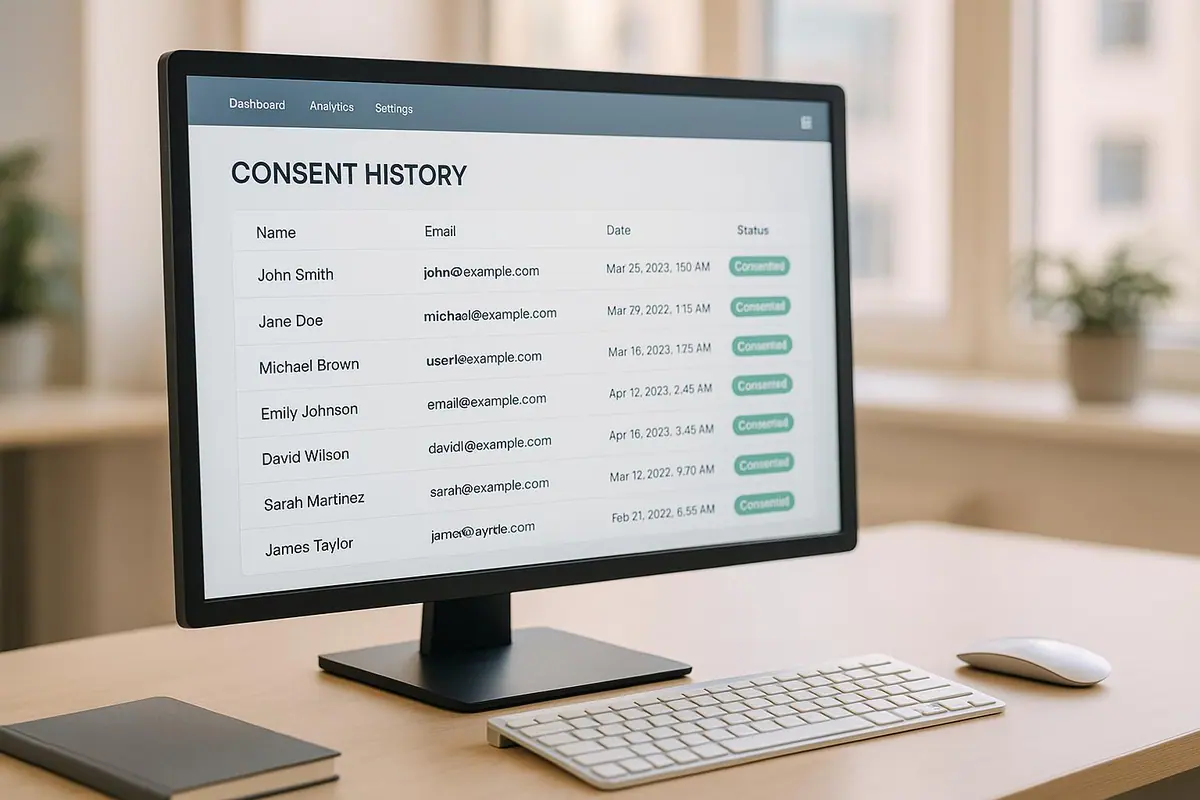
Tracking consent history is not just a legal requirement but a critical step in safeguarding your business. Privacy laws like GDPR and CCPA mandate maintaining detailed records of user consent - what was agreed to, when, and under which terms. Without these records, your organization could face fines, audits, or loss of user trust.
Here’s what you need to know:
The takeaway? A reliable consent tracking system isn’t optional - it’s a must for avoiding penalties and fostering trust.
Maturing your GDPR compliance program: Consent management
How to Set Up a Consent History Tracking System
Setting up a reliable consent tracking system is essential for capturing every user interaction in real time and ensuring compliance with regulatory audits. Your system should function seamlessly across all digital platforms - whether that's websites, mobile apps, or server-side systems. Consent Management Platforms (CMPs) can simplify this by automating the process, ensuring every user action is logged accurately. From here, it’s crucial to focus on the key features that make consent tracking effective.
Required Features for Consent Tracking
To meet compliance requirements, your system must log, store, and secure every consent record. Each consent event should be automatically documented with critical details, including:
For additional compliance, consider logging hashed IP addresses, user agents, the processing basis, collection methods, and geolocation data - especially for regions with specific privacy laws.
Equally important is secure data storage. Consent data should be encrypted and stored in a tamper-evident manner, ensuring the logs remain intact and unaltered. This approach allows businesses to generate consent summaries or export audit reports as needed for internal reviews or regulatory inquiries.
How to Implement Consent Logging
Once the required features are identified, the next step is to establish effective consent logging practices. This can be broken down into three key phases:
Begin by mapping out relevant privacy laws and updating your cookie banner and Privacy Policy to allow users to modify their choices easily. Design interfaces that are simple and user-friendly, using plain language for prompts. Use dynamic tools to stay informed about regulatory updates.
Deploy your CMP across all platforms and configure webhooks for real-time updates. Ensure your logs capture essential details like timestamps, user IDs, consent actions, policy versions, and geodata. When choosing a CMP, prioritize features like geo-targeting, multilingual consent options, robust policy version control, cross-domain cookie consent sharing, flexible export capabilities (e.g., CSV or API), data retention management, and strong security protocols.
Before launching, conduct rigorous testing and legal validation to confirm the system complies with all applicable regulations. Use version control to document updates accurately. When your privacy policy or consent banner changes, record the new version number, the date of the update, and maintain a historical record of previous versions.
How to Secure Your Consent Data
Once logging is in place, securing your consent data becomes the top priority. Protecting these records is essential for maintaining the integrity of your audit trails. To do this:
Tamper-proof logs ensure every consent record is preserved, with any modifications being fully traceable. Align your data retention practices with privacy laws, storing consent records only for the legally required duration while adjusting to different jurisdictional mandates.
Regular security audits are a must. Periodically test your encryption methods, verify the integrity of tamper-proof logs, and review access controls to quickly identify and address any vulnerabilities. By staying vigilant, you can ensure your consent tracking system remains secure and compliant.
Tools for Consent Management
The right tools can turn consent tracking from a tedious task into an efficient, automated process. Modern consent management solutions help minimize logging errors and ensure every user interaction is captured in real time. While Consent Management Platforms (CMPs) handle the technical aspects, tools like no-code form builders and CRM integrations play a crucial role in creating a complete consent management system. Below, we explore how Reform's features, CRM integrations, and monitoring dashboards work together to build a unified consent management ecosystem.
How to Use Reform for Consent Data
Reform makes capturing consent data straightforward with its user-friendly interface and automated logging. Businesses can design branded forms without needing technical skills, simplifying the process of gathering consent. Multi-step forms guide users through detailed consent options, presenting privacy choices in clear, easy-to-understand steps. This approach aligns with requirements for plain language and just-in-time notices emphasized by various regulations.
Reform also offers conditional routing, which tailors consent options based on user responses. For instance, if someone indicates they’re in California, the form will display consent options specific to the CCPA. Similarly, users in the European Union see GDPR-compliant options. This dynamic method ensures users only encounter consent requests relevant to them.
Additionally, Reform’s real-time analytics provide valuable insights into consent interactions. You can track which options users accept most often, identify where users drop off in multi-step processes, and pinpoint potential compliance issues. The platform captures all necessary details - timestamps, user identification, consent choices, and policy versions - ensuring compliance. By integrating consent collection into your lead generation forms, you create a seamless experience where users can share both their information and consent preferences in one step.
How to Connect Consent Data with Your CRM
Integrating consent tracking with your CRM system is key to maintaining accurate and up-to-date records. Reform simplifies this by using seamless API connections that synchronize consent preferences without disrupting your workflows. It treats your CRM as the "source of truth", automatically transferring consent details to create a unified record.
Reform allows you to map consent fields directly to your CRM. For example, an “opt-in for marketing emails” checkbox can be linked to the corresponding consent field in your database. This eliminates manual data entry errors and ensures every consent choice is properly recorded. With built-in duplicate handling, the system avoids cluttering your records by updating existing entries whenever a user changes their preferences.
Webhooks provide real-time notifications to downstream systems, ensuring immediate updates and compliance across all platforms. During API integration, you can map consent purposes to specific regulatory requirements, like GDPR lawful bases or CCPA business purposes. The integration process typically involves planning, development across web and mobile platforms, webhook setup, and rigorous testing to ensure compliance and compatibility. This structured approach ensures consent data is reliably captured and stored, enabling real-time monitoring.
How to Monitor Consent History
Centralized dashboards make it easier for organizations and users to manage consent effectively. Real-time analytics offer a clear view of consent statuses across your entire user base, helping you identify trends and address potential compliance gaps.
A well-designed dashboard should include summaries of consent data, such as acceptance rates by category, geographic distribution of preferences, and trends over time. This high-level view helps you understand how users interact with your consent tools.
Audit readiness features are another critical component. Detailed logs of every consent interaction ensure you're prepared for regulatory audits. These logs let you track trends across channels and regions, flag suspicious activity, and respond quickly to user requests for access or deletion. If a regulatory authority requires proof of consent, you can easily generate reports showing when and how each consent was obtained.
Dashboards also support real-time enforcement by automatically blocking unauthorized data collection when consent is not granted. They provide users with a transparent interface to view, update, or withdraw their consent preferences at any time. Features like historical logs, exportable data, and device-level controls not only meet regulatory standards but also build trust by giving users greater control over their data.
sbb-itb-5f36581
Best Practices for Consent History Management
Accurate consent records are essential for staying compliant, managing audits, and respecting user rights. Achieving this requires detailed, well-organized records across all channels. Here’s how to ensure your consent history is thorough, structured, and ready for audits.
What to Include in Your Audit Logs
A solid audit log is the backbone of any compliance-ready consent tracking system. Missing key details could leave you vulnerable to compliance risks.
Your audit logs should capture the following essentials:
To ensure security, logs should be tamper-evident and encrypted, following secure logging practices. Automating the logging process can further enhance accuracy by reducing human error and capturing every user action in real-time.
How to Organize Consent Preferences
Organizing consent preferences in a clear and systematic way benefits both users and compliance teams. Start by grouping consent settings under distinct purposes and labeling them with plain, user-friendly language. For example, separate categories like "Analytics Tracking" and "Marketing Communications" make it easier for users to understand and manage their choices.
Use consistent version control by assigning new version numbers and dates to privacy policy updates. This ensures that you can always trace user consent back to the exact terms they agreed to.
Centralized preference centers - dashboards where users can view and modify their consent - should maintain consistency across all channels. This reduces confusion and provides clear evidence of the specific terms and categories a user agreed to at any given time.
How to Handle Offline Consent
Managing offline consent - whether gathered through phone calls, in-person interactions, or paper forms - requires a structured approach to ensure it integrates seamlessly with your digital records.
Standardize offline consent collection with templates that include key details such as timestamps, user identifiers, consent choices, policy versions, and the name of the collector. Staff should be trained to capture detailed and accurate information. For phone or in-person interactions, secure verifiable records like call recordings (with proper notice) or signed forms. Once collected, sync this data with your digital system after verifying it for completeness.
To maintain consistency, offline consent forms should mirror the same granular categories used online. This ensures a uniform experience for users across all channels.
Regularly audit a sample of offline records by comparing physical forms or call notes with the corresponding digital entries. If discrepancies are common, consider additional staff training or simplifying the data entry process to minimize errors.
How to Meet Legal Requirements
Meeting legal requirements for consent tracking isn't optional - it's a must. Your system needs to comply with regulations like GDPR, CCPA, and other relevant data protection laws. This involves properly collecting user data, respecting their rights, and demonstrating compliance through regular audits.
How to Track Legal Notice Versions
Whenever a user gives consent, it's crucial to document the specific version of the privacy policy or banner they agreed to. Since these notices change over time, your records must show the exact version presented at the time consent was given - not the latest version in use. To do this, ensure your system automatically captures and timestamps each policy version. For example, if your privacy policy was updated on March 15, 2025, and a user consented on March 10, 2025, your records should reflect the earlier version.
Store these records - along with user actions and policy versions - in a centralized system. This setup not only simplifies compliance but also allows users to easily review their consent preferences, building trust and transparency.
How to Handle User Rights Requests
Managing user rights is another cornerstone of compliance. Regulations like GDPR grant users the right to access their consent history, update their preferences, or withdraw consent at any time. To make this process seamless, provide a centralized dashboard or preference center where users can view and manage their consent settings.
When a user requests their data, generate a detailed report showing their full consent history, complete with timestamps for each action. For withdrawal requests, ensure changes are applied instantly across all connected systems - no manual steps required. Each update or withdrawal should be logged with a timestamp and a clear record of the change.
If a user asks for their personal data to be deleted, follow the principle of data minimization. Remove only the information that is no longer necessary, while keeping the consent records required for compliance purposes.
How to Conduct Compliance Audits
Compliance audits are your safety net to ensure everything is in order. Regularly review your consent tracking system to confirm it meets regulatory standards. Many organizations schedule audits quarterly, though those handling high-risk data may need to do so more often.
During an audit, verify that all required data - like timestamps, user identifiers, consent choices, and policy versions - is accurately recorded. Test your system’s ability to generate audit reports, confirm secure storage and encryption methods, and check that retention policies prevent unnecessary data storage.
Also, ensure user consent preferences are consistently applied across all systems. Using geolocation data can help you determine which legal standards apply to each user. When in doubt, adhering to the strictest standards is a safe bet.
Track consent trends across different regions and platforms to spot potential issues. Document all findings and corrective actions, and provide your Data Protection Officer (DPO) and compliance teams with tools like centralized dashboards for real-time insights. This proactive approach not only ensures compliance but also helps you quickly respond to regulatory requests, strengthening your overall strategy.
Conclusion and Key Takeaways
Tracking consent history is a cornerstone of protecting your business and respecting your users. By implementing effective consent tracking systems, you create verifiable records of every interaction, reduce legal risks, and show a clear commitment to handling personal data responsibly.
Why Consent Tracking Matters
Keeping detailed consent records goes well beyond simply avoiding fines. Automation minimizes human error and guarantees that every user action is accurately logged and easy to trace. This not only reduces the need for additional staff but also allows for instant generation of audit reports.
On top of operational efficiency, proper consent tracking fosters trust. Transparent, centralized dashboards give users control, letting them view or adjust their preferences. This openness strengthens customer relationships and can even improve conversion rates when users feel their privacy is respected.
The legal benefits are just as critical. Missing consent logs can lead to audits, penalties, or legal disputes. Having detailed, tamper-proof, and encrypted logs ensures you can demonstrate what users agreed to, when they agreed, and which version of your privacy policy applied at the time.
These benefits underscore the importance of refining and maintaining robust consent tracking practices.
Taking Action
To fully realize these benefits, it's time to upgrade your consent management approach. Start by evaluating your current processes. If you're still relying on basic contact forms without proper consent logging, you could be leaving yourself vulnerable. Look for tools that seamlessly integrate consent tracking into your data collection workflows.
Reform offers a suite of features tailored to compliant data collection. With Reform, you can automate and secure your consent tracking through tools like real-time email validation, spam prevention, and integrations with CRM and marketing automation platforms. Conditional routing and multi-step forms make it possible to create user-friendly consent experiences without compromising compliance or conversion rates.
For a comprehensive guide, check out the Email Marketing Compliance Checklist for 2025. It covers everything from consent management to data handling, helping you stay ahead of GDPR and CCPA requirements.
Finally, apply the technical measures mentioned earlier to your systems: automated logging with detailed audit trails, real-time preference enforcement, encrypted storage, and regular compliance checks. These steps are essential for any organization handling user data in today’s regulatory landscape.
Investing in effective consent tracking now not only shields you from future penalties but also lays the groundwork for building trust that turns visitors into loyal, long-term customers.
FAQs
What happens if you don’t have a system to track consent history?
Not keeping a clear record of consent history can bring some serious trouble for your business. Without proper documentation, proving compliance with privacy laws like GDPR, CCPA, or HIPAA becomes a challenge. This could open the door to hefty fines, legal battles, or even harm your reputation.
On top of that, mishandling consent can chip away at customer trust. People expect businesses to treat their data with care and responsibility. By putting a dependable consent tracking system in place, you can not only stay on the right side of the law but also minimize risks and show your audience that you value transparency.
How can businesses keep their consent tracking systems compliant with changing privacy regulations?
To keep up with changing privacy laws, businesses need a solid system for tracking consent. This means documenting when, how, and why consent was given. It’s also crucial to regularly revisit and fine-tune your methods to stay in step with regulations like GDPR or CCPA. Keeping detailed records of consent history is essential, especially for audits.
Tools like Reform can make consent tracking much easier. With Reform, you can design branded, easy-to-use forms that securely collect and store consent information. It also offers features like real-time analytics and smooth CRM integrations to help you stay organized and meet compliance requirements. Be upfront with users - clearly explain how their data will be used, and always provide simple options for them to update or withdraw their consent.
How can I integrate consent data with my CRM to ensure accurate and compliant records?
To keep your records accurate and compliant, start by making sure your CRM system is equipped to manage consent data efficiently. Look for features or integrations that enable consent tracking, such as timestamped records, details about the data source, and categorization of consent types. It's also a good idea to automate data syncing between your consent management tool and CRM. This minimizes manual errors and keeps your updates in real-time.
Regularly auditing your data is another essential step. These audits help ensure accuracy and compliance with regulations like GDPR or CCPA. Also, invest in training your team on proper data handling practices. This not only reduces the risk of errors but also helps maintain your customers' trust.
Related Blog Posts
- Legal Risks of Ignoring Consent in Analytics
- GDPR vs. CCPA: Consent Rules for Marketing Tools
- How Consent Records Integrate with CRMs
- 5 Steps to Prepare Consent Records for GDPR Audits
{"@context":"https://schema.org","@type":"FAQPage","mainEntity":[{"@type":"Question","name":"What happens if you don’t have a system to track consent history?","acceptedAnswer":{"@type":"Answer","text":"<p>Not keeping a clear record of consent history can bring some serious trouble for your business. Without proper documentation, proving compliance with privacy laws like GDPR, CCPA, or <a href=\"https://en.wikipedia.org/wiki/Health_Insurance_Portability_and_Accountability_Act\" target=\"_blank\" rel=\"nofollow noopener noreferrer\">HIPAA</a> becomes a challenge. This could open the door to hefty fines, legal battles, or even harm your reputation.</p> <p>On top of that, mishandling consent can chip away at customer trust. People expect businesses to treat their data with care and responsibility. By putting a dependable consent tracking system in place, you can not only stay on the right side of the law but also minimize risks and show your audience that you value transparency.</p>"}},{"@type":"Question","name":"How can businesses keep their consent tracking systems compliant with changing privacy regulations?","acceptedAnswer":{"@type":"Answer","text":"<p>To keep up with changing privacy laws, businesses need a solid system for tracking consent. This means documenting <em>when</em>, <em>how</em>, and <em>why</em> consent was given. It’s also crucial to regularly revisit and fine-tune your methods to stay in step with regulations like GDPR or CCPA. Keeping detailed records of consent history is essential, especially for audits.</p> <p>Tools like <strong>Reform</strong> can make consent tracking much easier. With Reform, you can design branded, easy-to-use forms that securely collect and store consent information. It also offers features like real-time analytics and smooth CRM integrations to help you stay organized and meet compliance requirements. Be upfront with users - clearly explain how their data will be used, and always provide simple options for them to update or withdraw their consent.</p>"}},{"@type":"Question","name":"How can I integrate consent data with my CRM to ensure accurate and compliant records?","acceptedAnswer":{"@type":"Answer","text":"<p>To keep your records accurate and compliant, start by making sure your CRM system is equipped to manage consent data efficiently. Look for features or integrations that enable <strong>consent tracking</strong>, such as timestamped records, details about the data source, and categorization of consent types. It's also a good idea to <strong>automate data syncing</strong> between your consent management tool and CRM. This minimizes manual errors and keeps your updates in real-time.</p> <p>Regularly auditing your data is another essential step. These audits help ensure accuracy and compliance with regulations like GDPR or CCPA. Also, invest in training your team on proper data handling practices. This not only reduces the risk of errors but also helps maintain your customers' trust.</p>"}}]}
Get new content delivered straight to your inbox

The Response
Updates on the Reform platform, insights on optimizing conversion rates, and tips to craft forms that convert.


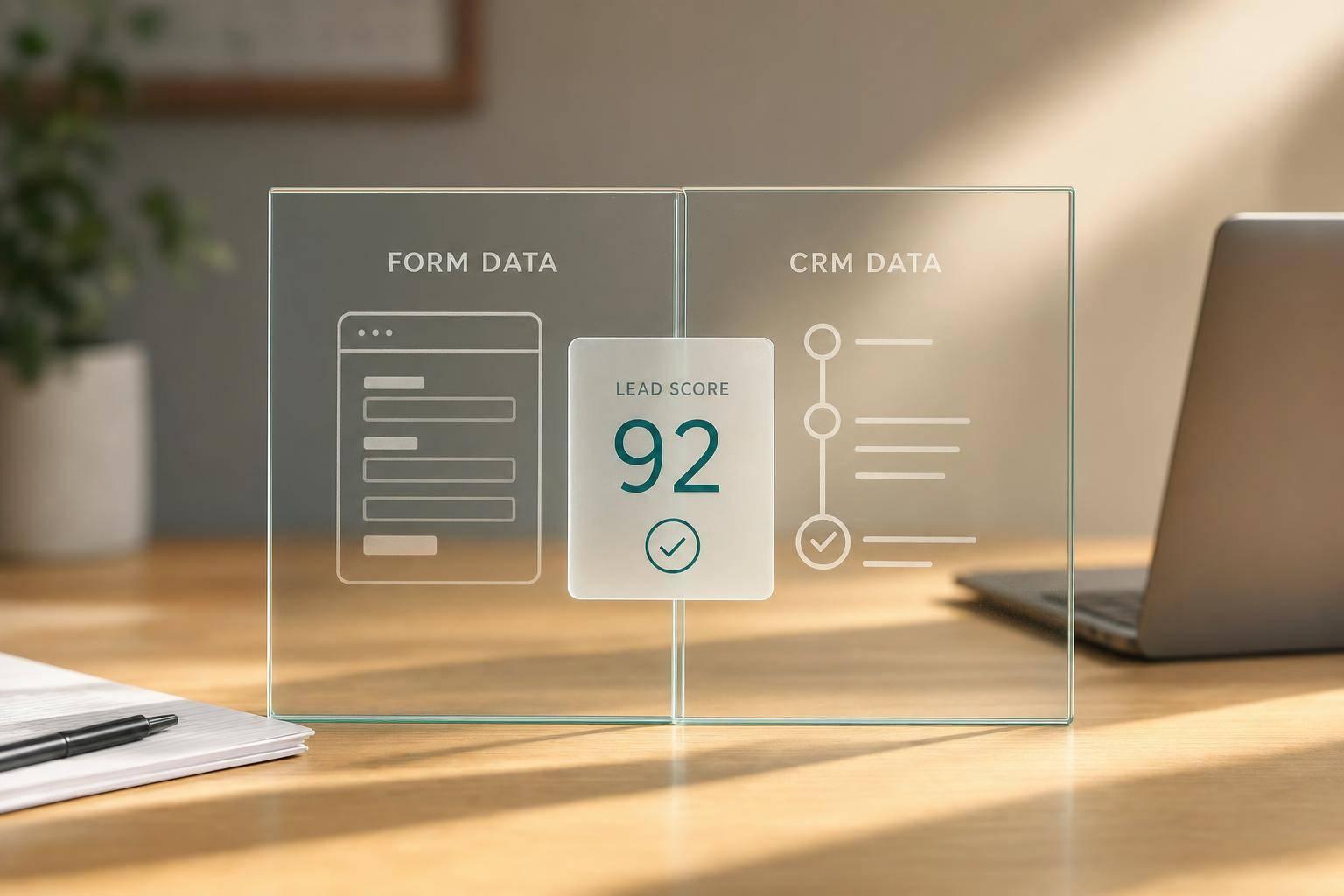

Drive real results with form optimizations
Tested across hundreds of experiments, our strategies deliver a 215% lift in qualified leads for B2B and SaaS companies.
