
.webp)
UK Data Transfer Rules: What Marketers Need to Know



Managing UK data transfers post-Brexit is challenging but essential for compliance and trust. Since the UK left the EU, it has its own rules under UK GDPR and the Data Protection Act 2018, recently updated by the Data (Use and Access) Act 2025. For marketers, this means:
- Dual compliance: Separate processes for UK and EU audiences are now required.
- Cross-border transfers: Transfers to/from the UK need safeguards like Standard Contractual Clauses (SCCs) or the UK Addendum.
- New fines: Penalties for violations can reach $21.9 million or 4% of global turnover.
- Adequacy decision uncertainty: The UK’s EU adequacy status may change after December 2025.
- Updated rules: Changes include relaxed cookie consent, new automated decision-making rules, and a statutory right for complaints starting June 2026.
Marketers must map data flows, update contracts, and stay informed about evolving regulations to avoid fines and maintain operations. The stakes are high, but compliance ensures smoother campaigns and builds audience trust.
UK Data Transfer Framework: Changes After Brexit
How Brexit Changed Data Transfers
For lead generation marketers, navigating the post-Brexit regulatory landscape is now a critical part of operations. Since January 1, 2021, the UK has been classified as a "third country" under EU GDPR. This means that data transfers from the EU to the UK face the same restrictions as transfers to countries like the United States or Canada - essentially, any nation outside the European Economic Area (EEA).
To comply, marketers must implement additional safeguards. Transfers from EU systems to UK platforms now require either an EU adequacy decision or mechanisms like Standard Contractual Clauses (SCCs).
The EU granted the UK an adequacy decision, which allows personal data to move freely from the EEA to the UK without extra paperwork - provided the UK maintains data protection standards that align closely with the EU's. However, this decision is under review for 2026, especially with changes introduced by the Data (Use and Access) Act 2025. These changes include relaxed rules for automated decision-making and predefined "recognized legitimate interests", which replace the traditional balancing test. Such shifts have raised concerns about whether the UK will continue to meet EU standards.
If the adequacy decision is revoked, over 10,000 UK-EU SCC arrangements would need to be activated immediately to ensure legal data flows. Marketers should prepare by having SCCs or the UK Addendum ready, just in case the 2026 review leads to a reversal of the adequacy decision. This evolving framework highlights the importance of staying ahead of regulatory changes, especially with the introduction of the new data protection test.
Data Protection Test Explained
The Data (Use and Access) Act 2025 introduced the "data protection test," a standard the UK government now uses to assess whether other countries provide adequate protection for international data transfers. According to the ICO:
"The UK government will use this [data protection test] standard when carrying out its adequacy assessments."
This approach differs from the EU's requirement for "essentially equivalent" protections. Instead, the UK's test evaluates whether the protection provided is not materially lower than its own standards. This marks a shift toward a more flexible, business-friendly model while maintaining basic safeguards.
For marketers operating across both the UK and EU, this divergence means keeping track of two separate adequacy frameworks. Dual documentation might be necessary to satisfy both UK and EU regulators, adding another layer of complexity to compliance efforts.
sbb-itb-5f36581
The Data (Use and Access) Act 2025: What You Need to Know
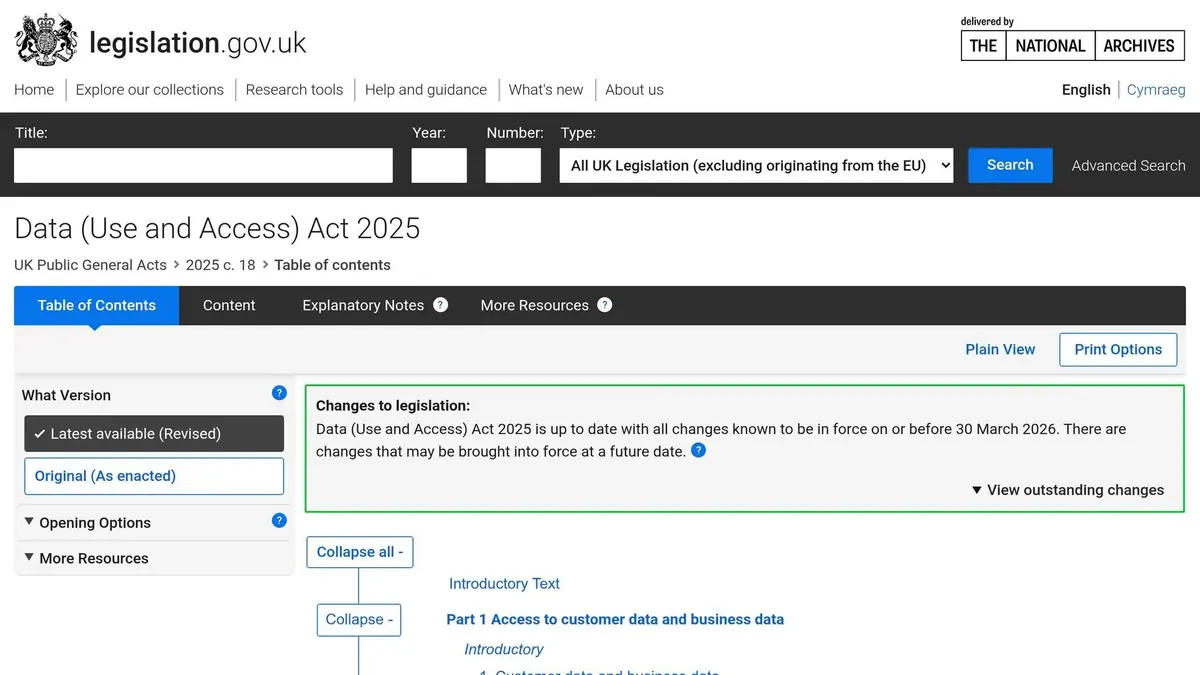
The Data (Use and Access) Act 2025 officially came into effect on February 5, 2026, introducing changes to how marketers in the UK handle lead data. While the Act introduces some added flexibility, it also comes with new compliance requirements, particularly around cookie consent, automated decision-making, and addressing complaints.
One key update is that marketers no longer need user consent for statistical and appearance cookies, as long as users are provided with a simple, free opt-out option. This change aims to streamline the user experience without compromising basic privacy standards.
Another major shift is the increase in fines under the Privacy and Electronic Communications Regulations (PECR). The maximum penalty has been raised from £500,000 to align with UK GDPR levels - up to £17.5 million or 4% of global turnover. Violations involving email marketing or cookie compliance now carry the same financial risks as serious data breaches. Let’s dive into the updated rules around automated decision-making and consent.
Automated Decision-Making and Consent Rules
The Act also introduces adjustments to the rules governing automated decision-making (ADM). The general ban on ADM now applies only when decisions involve special category data, such as health records, ethnic background, or biometric information.
For decisions that don’t involve special category data, marketers can rely on legitimate interests as their legal basis for processing. This allows activities like lead scoring, automated email segmentation, and AI-driven personalization to continue without requiring explicit consent - provided that safeguards are in place. Transparency about how these systems work and offering individuals a way to contest decisions remain mandatory.
Chris Combemale, Director of Policy at the DMA, remarked on the Act’s balanced approach:
"The government has clearly listened to industry, and we're pleased to have played a constructive role in shaping reforms that support both innovation and privacy".
However, explicit consent is still required if marketing tools infer special category data - such as using browsing habits to predict health conditions.
Another update is the introduction of "recognized legitimate interests", which bypass the typical balancing test. These include activities like crime prevention and protecting vulnerable individuals, though their application to direct marketing remains limited.
New Right to Complain for Data Subjects
Starting June 19, 2026, individuals will gain a statutory right to file complaints directly with organizations about their data handling practices. This right applies universally to all data controllers, without exceptions. Andrew Fremlin-Key, Partner at Withers LLP, emphasizes the scope of this change:
"The new right applies to all organizations acting as data controllers under the UK GDPR. There are no carve outs or exemptions".
Organizations are required to acknowledge complaints within 30 days of receiving them and provide a resolution within the same timeframe. The 30-day clock starts the day after the complaint is received, even if that day is a weekend or holiday. Since complaints can be submitted through various channels like email, web forms, or social media, it’s crucial for frontline employees to be trained in identifying and escalating them promptly.
In 2024–25, the ICO handled 42,881 data protection complaints, up from 39,721 the previous year. With the introduction of this statutory right, complaint volumes are expected to grow even further. Organizations exceeding certain complaint thresholds may face proactive ICO investigations. To prepare, businesses should update privacy notices to inform individuals of their rights, implement automated acknowledgment systems for digital submissions, and maintain a central log to monitor complaint trends and volumes.
Standard Contractual Clauses (SCCs) and Transfer Safeguards
6-Step Transfer Risk Assessment Process for UK Data Compliance
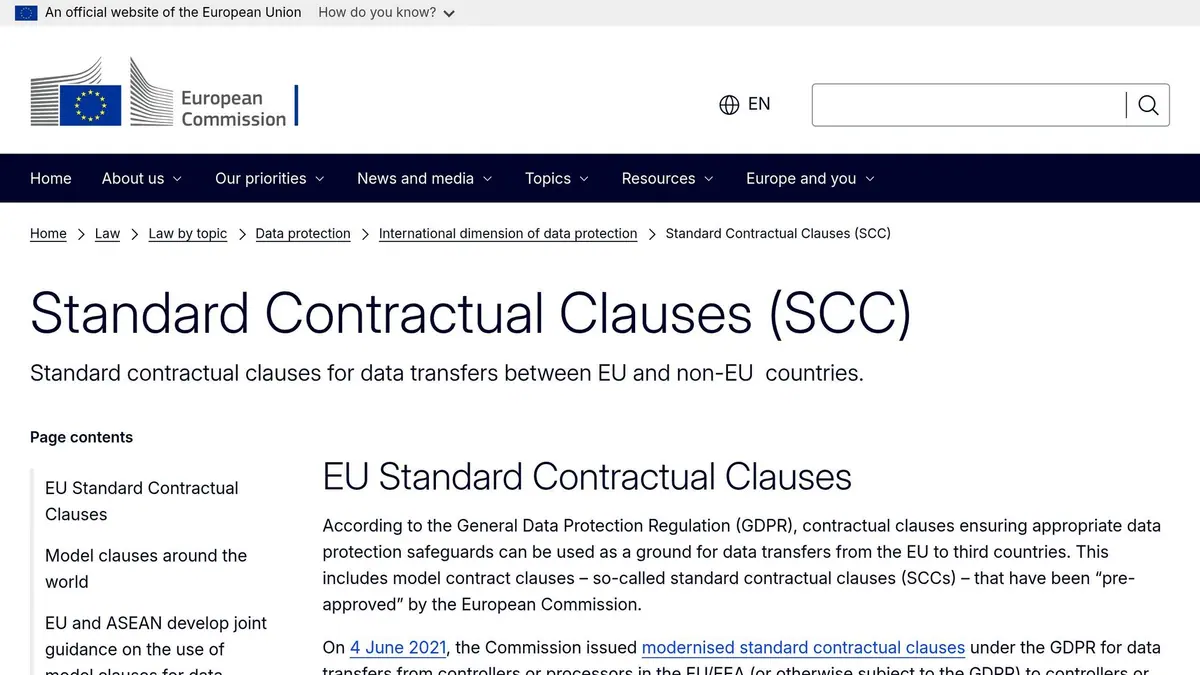
In the post-Brexit era, transferring UK lead data to countries without adequacy decisions requires specific measures. One of the key safeguards approved by the ICO is the use of Standard Contractual Clauses (SCCs). These clauses are designed to ensure that data recipients outside the UK uphold protections equivalent to those under UK GDPR.
The UK provides two main options for such transfers: the International Data Transfer Agreement (IDTA) and the UK Addendum to the EU SCCs. The IDTA is a comprehensive contract tailored for UK-specific data flows. On the other hand, the UK Addendum is a supplementary document that attaches to existing EU SCCs, making it a convenient choice for organizations managing both UK and EEA data. If your vendor agreements already include EU SCCs, the Addendum allows you to streamline compliance without drafting entirely new contracts.
The deadline to transition from legacy EU SCCs (pre-2021 versions) to these updated mechanisms was March 21, 2024. After this date, non-compliance is treated as a serious breach, potentially resulting in fines of up to $21.9 million or 4% of global annual turnover.
How to Use SCCs for Cross-Border Data Transfers
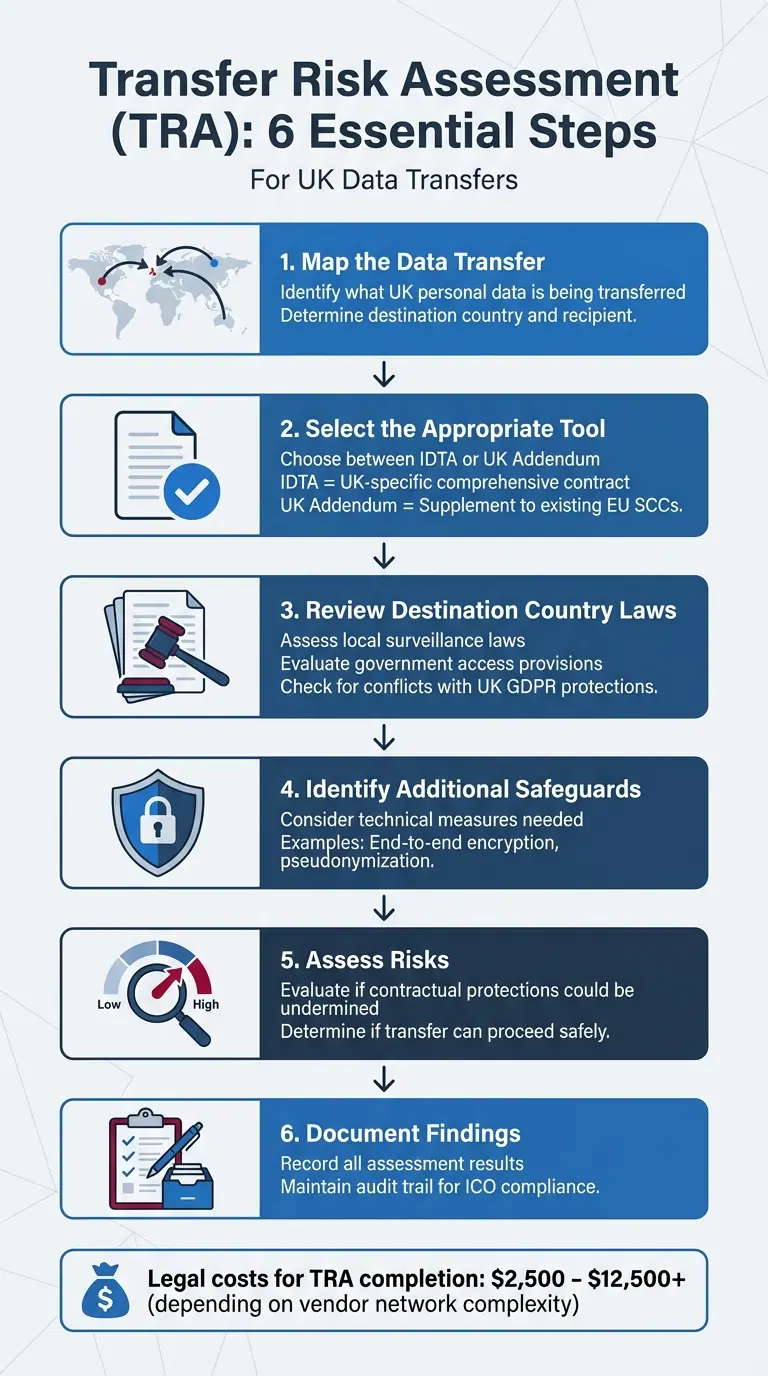
Before implementing an IDTA or UK Addendum, you must conduct a Transfer Risk Assessment (TRA). This review evaluates whether the destination country’s laws - such as those governing surveillance - could undermine the contractual protections.
The TRA involves six key steps: mapping the data transfer, selecting the appropriate tool (IDTA or Addendum), reviewing destination country laws, identifying additional safeguards, assessing risks, and documenting the findings. If the assessment highlights significant risks, you’ll need to adopt technical measures like end-to-end encryption or pseudonymization to ensure the transfer is secure.
"Restricted transfers" also apply when foreign vendors or IT teams remotely access UK-stored data. Legal costs for mapping these transfers and completing TRAs can range from $2,500 to over $12,500, depending on your vendor network’s complexity.
Once your TRA is finalized and the appropriate clauses are in place, you can take the following steps to keep your operations compliant.
Practical Compliance Steps for Marketers
Start by mapping all UK personal data collected through your lead generation activities. This includes data from web forms, landing pages, and marketing automation tools. Identify which vendors have access to this data and where they are based.
Next, update your Data Processing Agreements (DPAs) and privacy notices. Ensure these documents clearly outline the purposes of processing, the legal basis for transfers, and the international mechanisms in use. For tools that store data in the US, check if the vendor is certified under the UK-US Data Bridge framework. If certified, this framework can eliminate the need for SCCs for those transfers.
If your marketing involves form-based data collection, use platforms with detailed audit trails, including timestamps and IP addresses. These features simplify responding to data subject access requests and demonstrating compliance during ICO audits.
For businesses targeting both UK and EU audiences, maintaining dual compliance programs is essential. This often requires using the UK Addendum alongside EU SCCs to cover both regions. A Consent Management Platform (CMP) with geolocation capabilities can help by automatically applying the correct safeguards and consent banners based on a visitor’s location.
Compliance Best Practices for Lead Generation Forms
How to Ensure Transparency and Informed Consent
With the updated UK data transfer rules in place, getting your lead generation forms right is more important than ever. These forms should clearly outline why you're collecting data, who will access it, and what rights users have at the moment of collection. A good approach is to use a layered privacy notice - this highlights the key points upfront while linking to a full privacy policy for more details. If your form's wording is vague or confusing, it might not meet the necessary regulatory standards.
Consent needs to be explicit, specific, and actively given. This means users must take a clear action, like checking an unticked box. Pre-ticked boxes? Those are a no-go under UK GDPR. Additionally, you’ll need separate consent for each communication channel. For example, if you plan to email existing customers about similar products, you can rely on a "soft opt-in" only if users were given a clear opt-out option both at the time of data collection and in every subsequent email. Interestingly, 73% of shoppers favor brands that handle their email data transparently. As Clwyd Probert, CEO of Whitehat SEO, aptly states:
"Trust isn't fluffy - it's conversion fuel".
Keep detailed records of when and how you obtained consent. This includes capturing the source, date, and timestamp to stay audit-ready. Collect only the data you absolutely need for your marketing goals, and always provide an easy way for users to opt out in every communication.
Now, let’s explore how Reform can help simplify these compliance requirements.
Using Reform to Simplify Compliance
Reform offers tools that make managing compliance far easier. For instance, its email validation feature ensures personal data is accurate and up to date, catching typos and invalid addresses as they're entered - a key requirement under UK GDPR. Additionally, its spam prevention tools align with CAP Code Rule 10.1, which prohibits persistent, unwanted marketing communications.
Conditional routing is another standout feature, especially for handling restricted data transfers. If your form sends data to a legal entity outside the UK, you'll need safeguards like the IDTA or UK Addendum in place. For recipients in the U.S., check whether they’re certified under the UK-US Data Bridge. This certification removes the need for additional Standard Contractual Clauses. Reform also provides audit trails that log timestamps and IP addresses, making it easier to address data subject access requests and demonstrate compliance during ICO reviews.
Conclusion: Keeping Up with UK Data Transfer Regulations
Keeping up with UK data transfer regulations is critical for safeguarding your business and maintaining customer confidence. Since Brexit, relying solely on EU-standard clauses is no longer enough for UK data compliance. The stakes are high - non-compliance can lead to fines of up to £17.5 million or 4% of global turnover. Beyond the financial hit, failing to comply could result in the immediate suspension of data flows, which can wreak havoc on marketing efforts and vendor collaborations.
The regulatory landscape is also constantly evolving. For instance, EU Standard Contractual Clauses for UK data transfers became invalid after March 21, 2024. Additionally, the Data (Use and Access) Act 2025 has introduced new requirements, including the "right to complain", which takes effect in June 2026. As Lee Ramsay from Lewis Silkin puts it:
"Anyone taking a risk based view on PECR requirements particularly in respect of marketing campaigns should be reconsidering their risk profile given the stakes have become significantly higher for non-compliance!"
To stay compliant, here are some practical steps to consider:
- Regular data mapping: Identify all UK personal data that crosses borders, including remote access by foreign IT or marketing vendors.
- Vendor contract audits: Ensure contracts include the UK IDTA or UK Addendum, replacing outdated EU SCCs.
- Privacy notice updates: Clearly explain international data transfer mechanisms in simple terms.
- Complaints process readiness: Prepare for the June 2026 deadline to handle complaints under the new regulations.
Compliance isn’t just about avoiding penalties - it’s also about trust. By providing clear privacy notices and respecting data subject rights, you show customers that their privacy matters. For marketers, this commitment not only prevents fines but also strengthens brand credibility and improves lead quality.
FAQs
Do I need separate compliance for UK and EU leads?
When dealing with leads from the UK and the EU, separate compliance is a must. The UK operates under its own data protection framework, known as UK GDPR, which has differences from the EU GDPR. These variations affect how international data transfers are handled. For marketers, this means ensuring your processes align with both sets of rules to stay compliant while managing leads from these regions.
When do I use the UK Addendum vs the IDTA?
When transferring data outside the UK, use the UK Addendum to stay in line with UK GDPR requirements. The International Data Transfer Agreement (IDTA) serves as the main framework for managing restricted transfers under Article 46 of the UK GDPR. This ensures adherence to international data transfer rules.
What should marketers do if UK adequacy is revoked?
If the UK adequacy decision is revoked, marketers will need to follow updated UK data transfer regulations. This could involve applying safeguards as specified in Chapter 5 of the GDPR or using other legal mechanisms recommended by the ICO. It's crucial to review and adjust your processes to meet these standards and stay compliant.
Related Blog Posts
Get new content delivered straight to your inbox

The Response
Updates on the Reform platform, insights on optimizing conversion rates, and tips to craft forms that convert.




Drive real results with form optimizations
Tested across hundreds of experiments, our strategies deliver a 215% lift in qualified leads for B2B and SaaS companies.
