

Top Vendor Risks for Nonprofits



I start vendor reviews with one rule: check who holds your data, who can access it, and what happens if the service fails. For nonprofits, I focus on six risks and the checks that help limit harm:
- Donor data loss: Check encryption, backups, and breach-notification terms.
- Weak access controls: Require MFA and limit access by role.
- Poor uptime: Review outage plans and test data recovery.
- Payment issues: Check payment security and how failed transactions get resolved.
- Hidden subcontractors: Ask who else handles your data and require notice of changes.
- Weak offboarding: Remove access promptly and confirm data return or deletion.
My priority is vendors that handle sensitive records, process payments, or support services your team cannot do without. Not every vendor needs the same review, but <u>outsourcing does not transfer your duty to protect data</u>.
Nonprofit Tech Danger: The Hidden Risks of Outside Vendors
sbb-itb-5f36581
FAQs
Which vendors should our nonprofit review first?
Start by identifying vendors that handle sensitive donor or constituent data, including your CRM, payment processors, and email marketing platforms.
Prioritize vendors by risk, starting with Tier 1: those that hold large amounts of personally identifiable information or provide mission-critical services whose failure could disrupt operations or compliance.
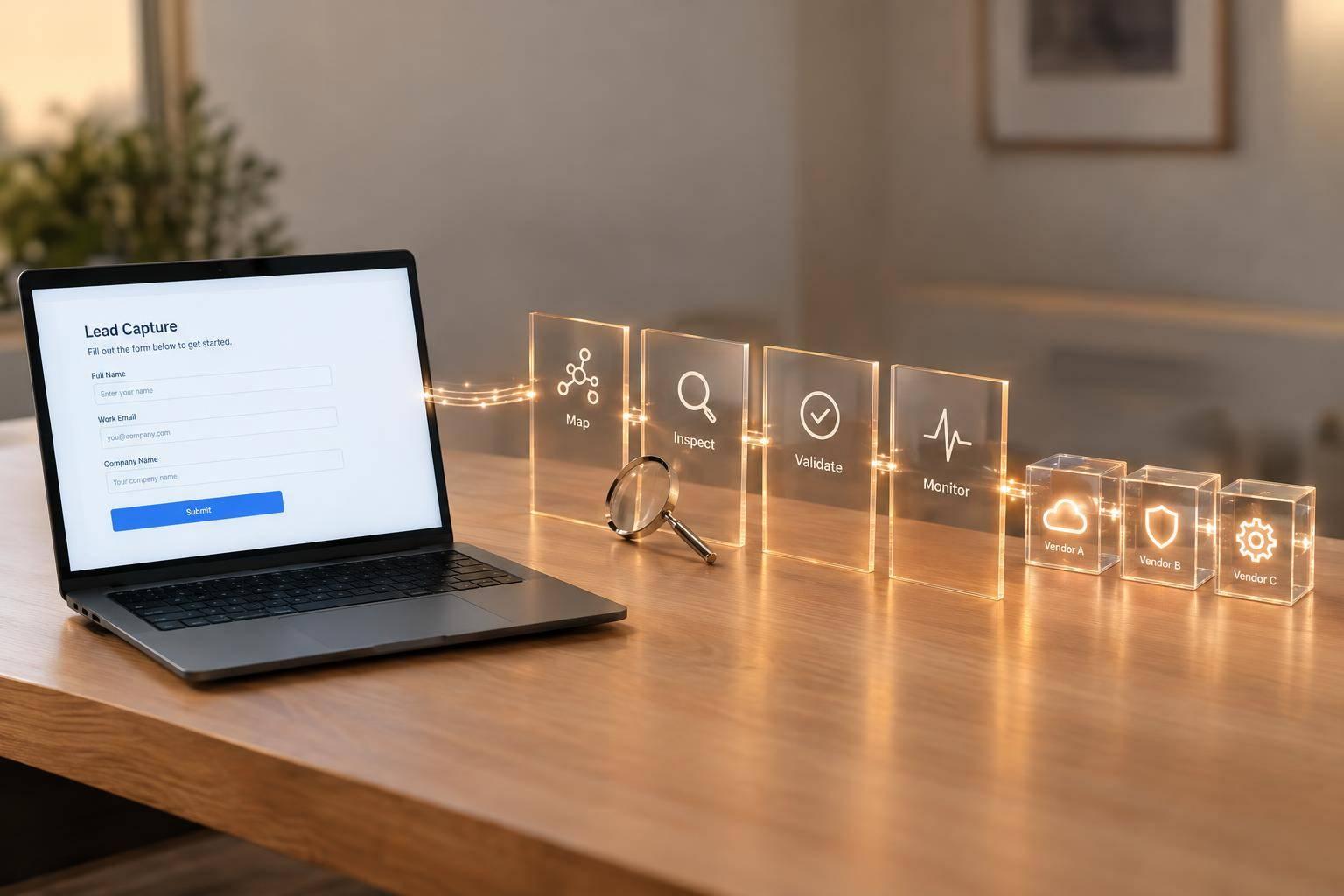
For these vendors, map how your data moves, verify which subcontractors process it, and confirm that strong security controls are in place.
How can we verify a vendor’s security claims?
Don’t rely on self-attestation alone. Review SOC 2 Type II reports or ISO 27001 certifications that cover the service you’re buying. Also check penetration test summaries, business continuity plans, and data processing agreements.
Review high-risk vendors’ audit reports annually. For lower-risk vendors, self-certification may be enough. Monitor security ratings and map actual data flows to check that access controls, encryption, and deletion practices match the vendor’s contractual commitments.
What should we do if a vendor exposes donor data?
Your nonprofit still has legal and ethical responsibilities, even if the breach started with a vendor. Activate your incident response plan immediately.
Check whether the breach meets applicable reporting thresholds, follow your documented internal notification procedures, and confirm who will contact affected individuals and the media. Keep a breach log and act quickly to limit harm and protect donor trust.
Related Blog Posts
Get new content delivered straight to your inbox

The Response
Updates on the Reform platform, insights on optimizing conversion rates, and tips to craft forms that convert.


Drive real results with form optimizations
Tested across hundreds of experiments, our strategies deliver a 215% lift in qualified leads for B2B and SaaS companies.
